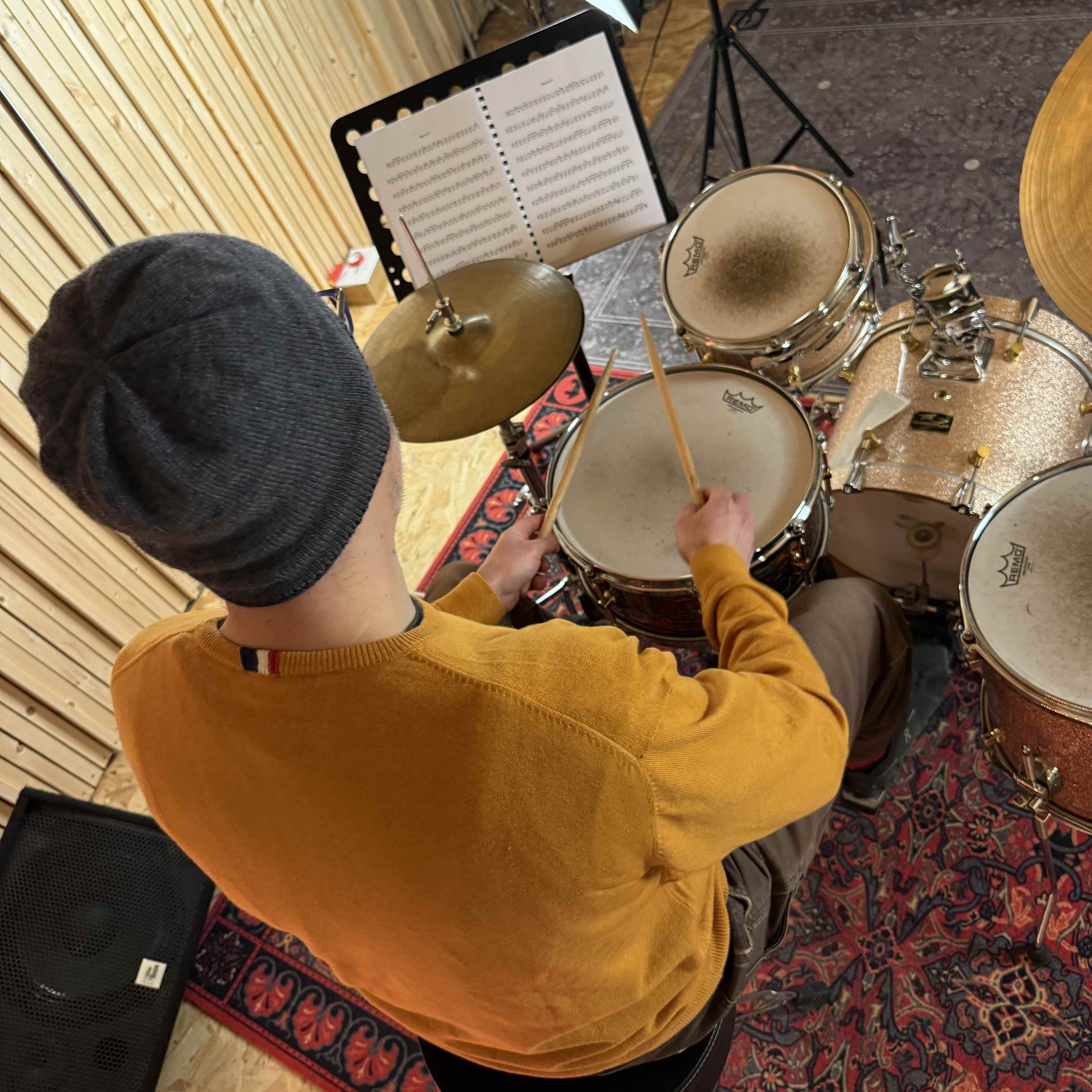
Progressive exercises
You'll ease into it, then things get a bit trickier, but always doable, never a headache.
A modern approach to rhythmic reading in odd meters, designed for drummers, pianists, bass players and all musicians.
46 pages of rhythmic reading. More than 1,000 copies sold.
“Paolo Orlandi brings Syncopation into 3/4, 5/4, 7/4, and 9/4, and it works beautifully.”
“A powerful tool for developing rhythmic freedom on any instrument”
This book is for any musician who wants to develop a deeper understanding of rhythm and feel comfortable playing in odd time signatures.
Whether you're a drummer looking to expand your syncopation vocabulary beyond 4/4, a pianist exploring new phrasing ideas, or a bassist working on tight rhythmic placement, this book gives you clear, progressive material to train your reading, timing, and creativity. You don't need to be a jazz player, this is a versatile tool for musicians of all styles who are ready to challenge themselves and grow.
You know, it's just common sense: you already count, so odd-meters are just one step away. Start practicing them now and get ahead of the game
You'll ease into it, then things get a bit trickier, but always doable, never a headache.
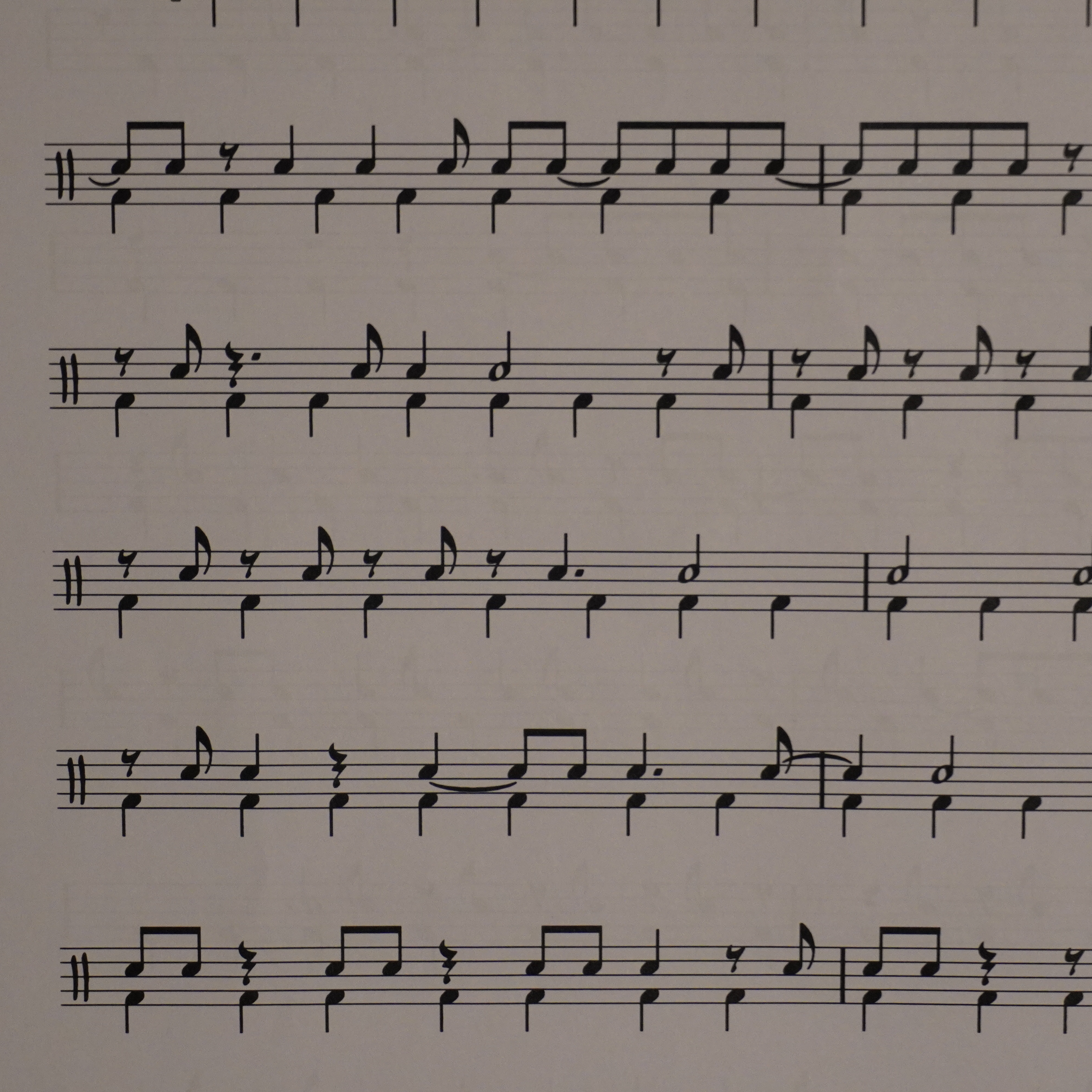
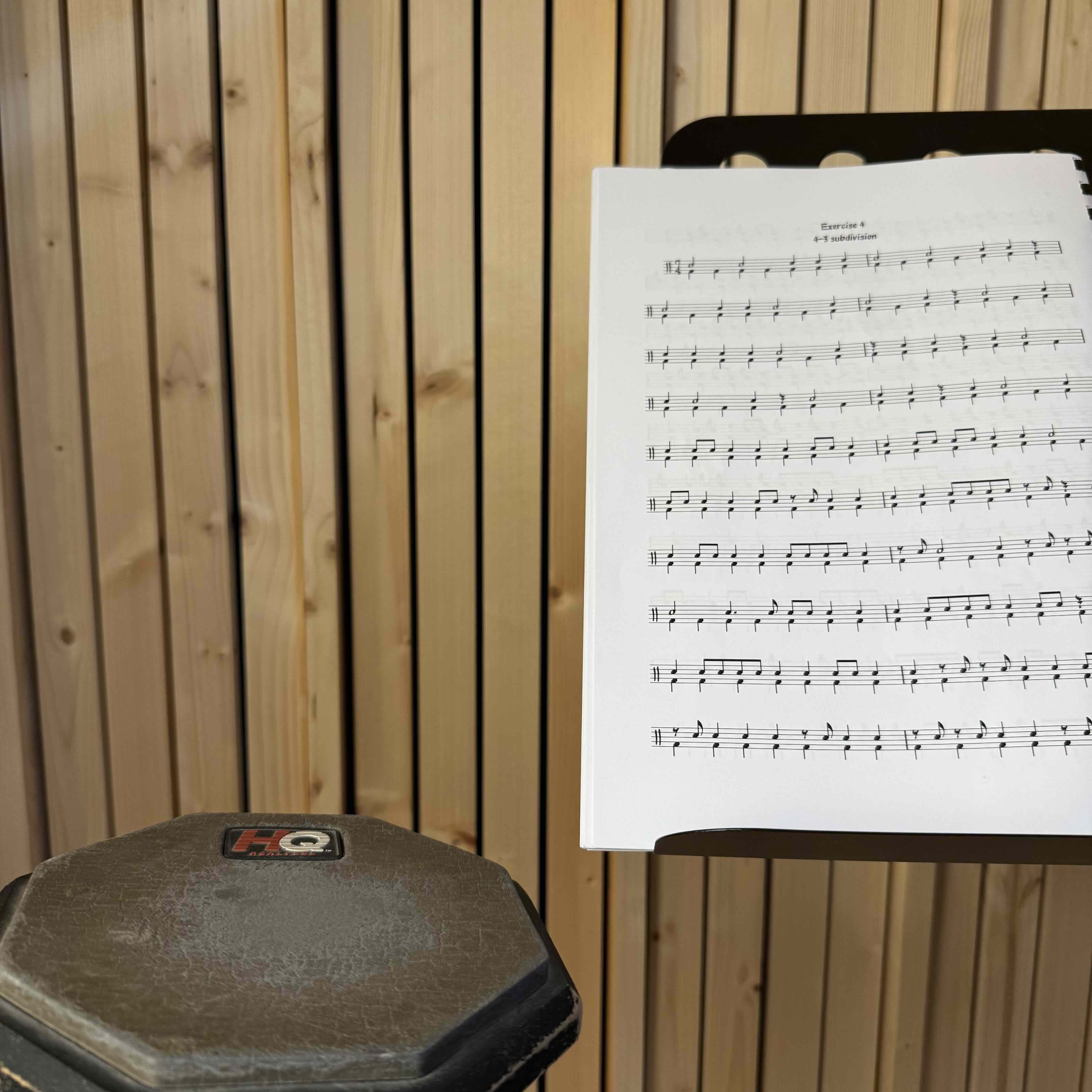
See those quarter notes at the bottom? They're your cheat sheet for knowing if it's an 'and' or a 'one'.
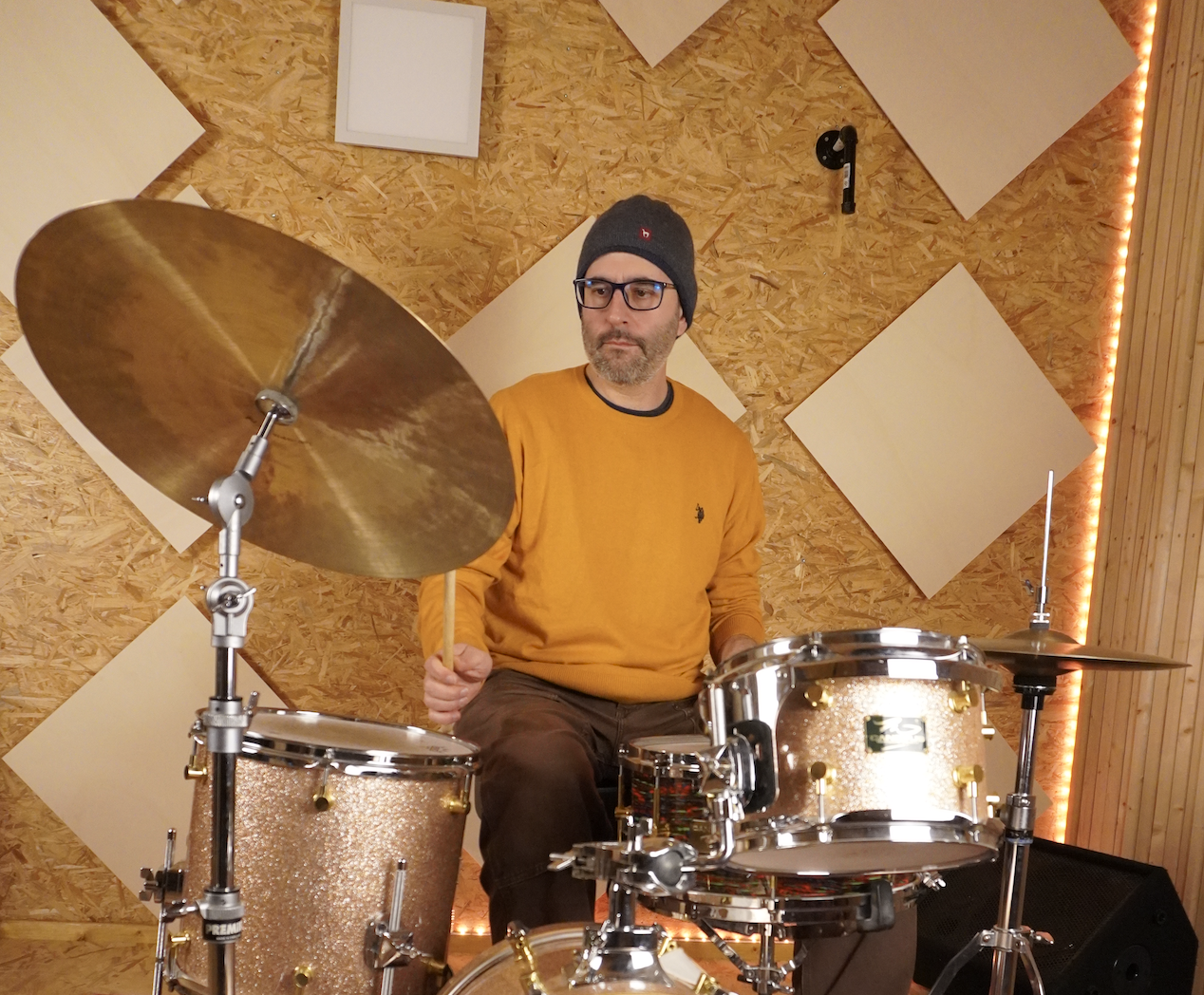
Eighth notes and up in these exercises, assisting your reading, with the goal to let you internalize the meter.
For years, I have been searching for a way to introduce my students to a resource akin to Ted Reed's 'Syncopation,' specifically tailored for odd meters.
With expert guidance from an experienced teacher, this book can become as a treasure chest of innovative exercises for practicing and studying solfege. As you engage with its content, you'll not only enhance your skills but also gain a profound understanding of the intricacies of the selected odd meters.
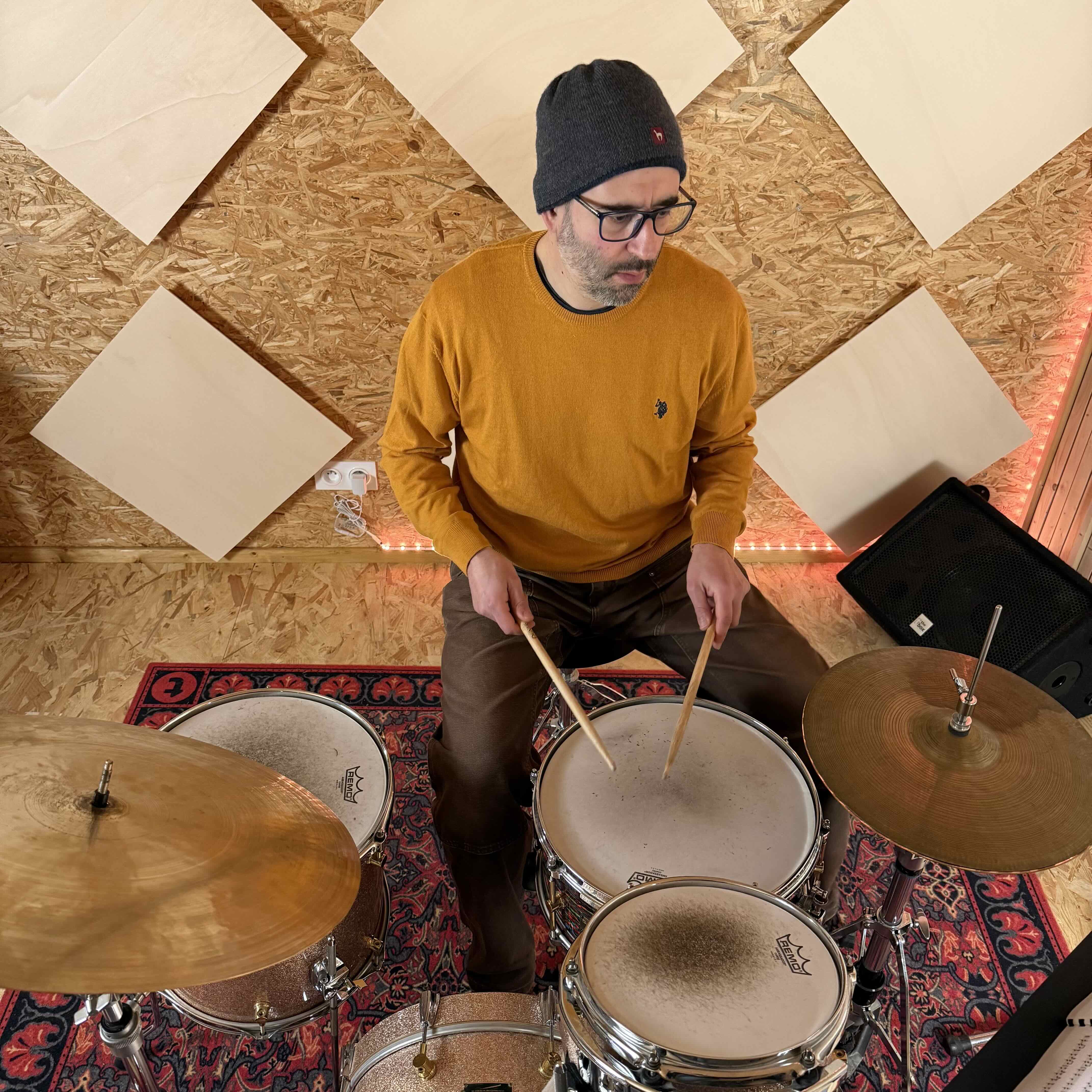
Yes, 100%. That's exactly why I wrote it. I wanted a way to get more familiar with 3/4, 5/4, 7/4, and 9/4 that felt natural and musical. The exercises in this book are designed to help you internalize these meters step by step, so they stop feeling awkward and start feeling playable.
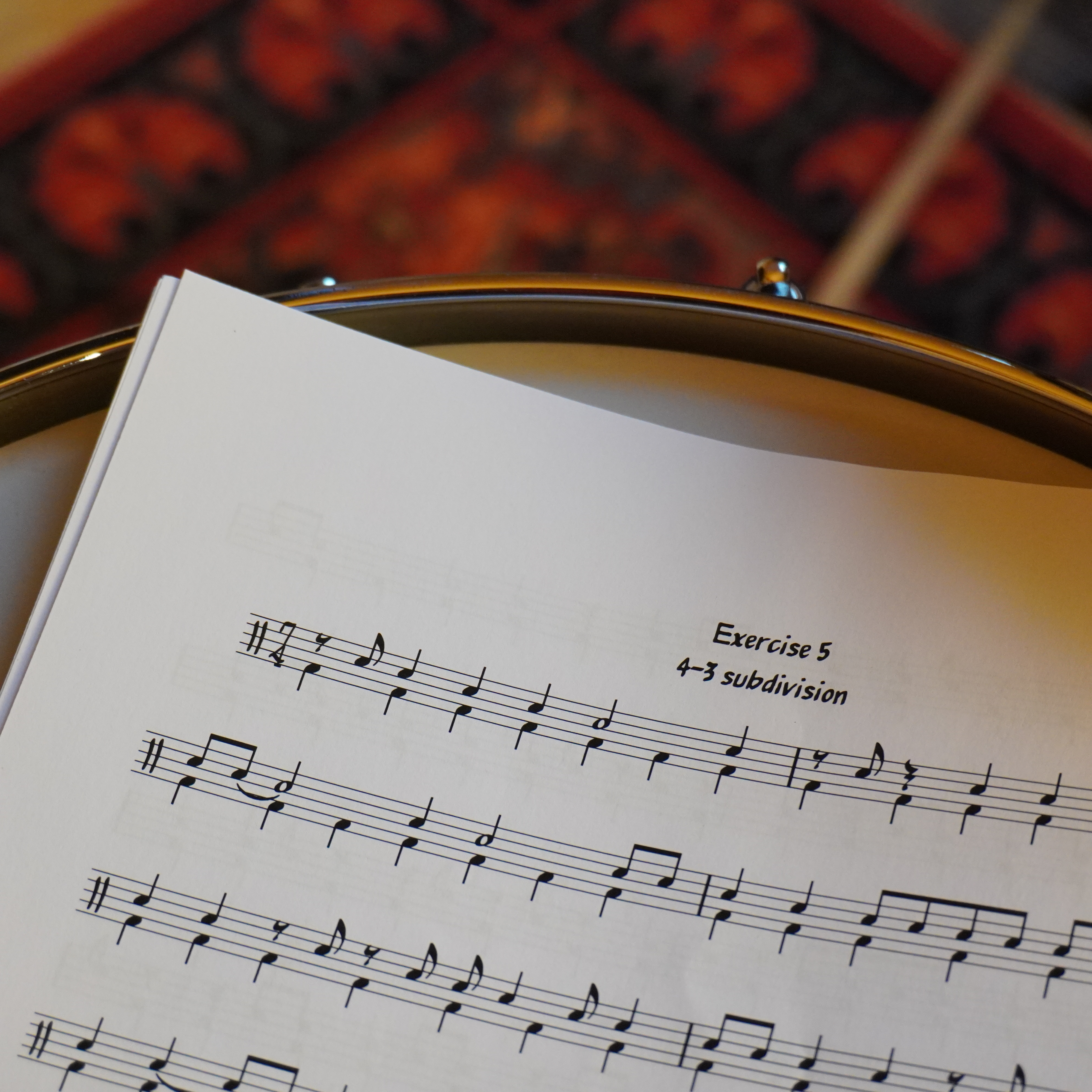
I used to do the same thing. I spent years with classic 4/4 syncopation books and always wished there was something similar for odd meters. This book fills that gap. It pushes your rhythmic vocabulary in new directions and opens up a whole new layer of musical possibilities.
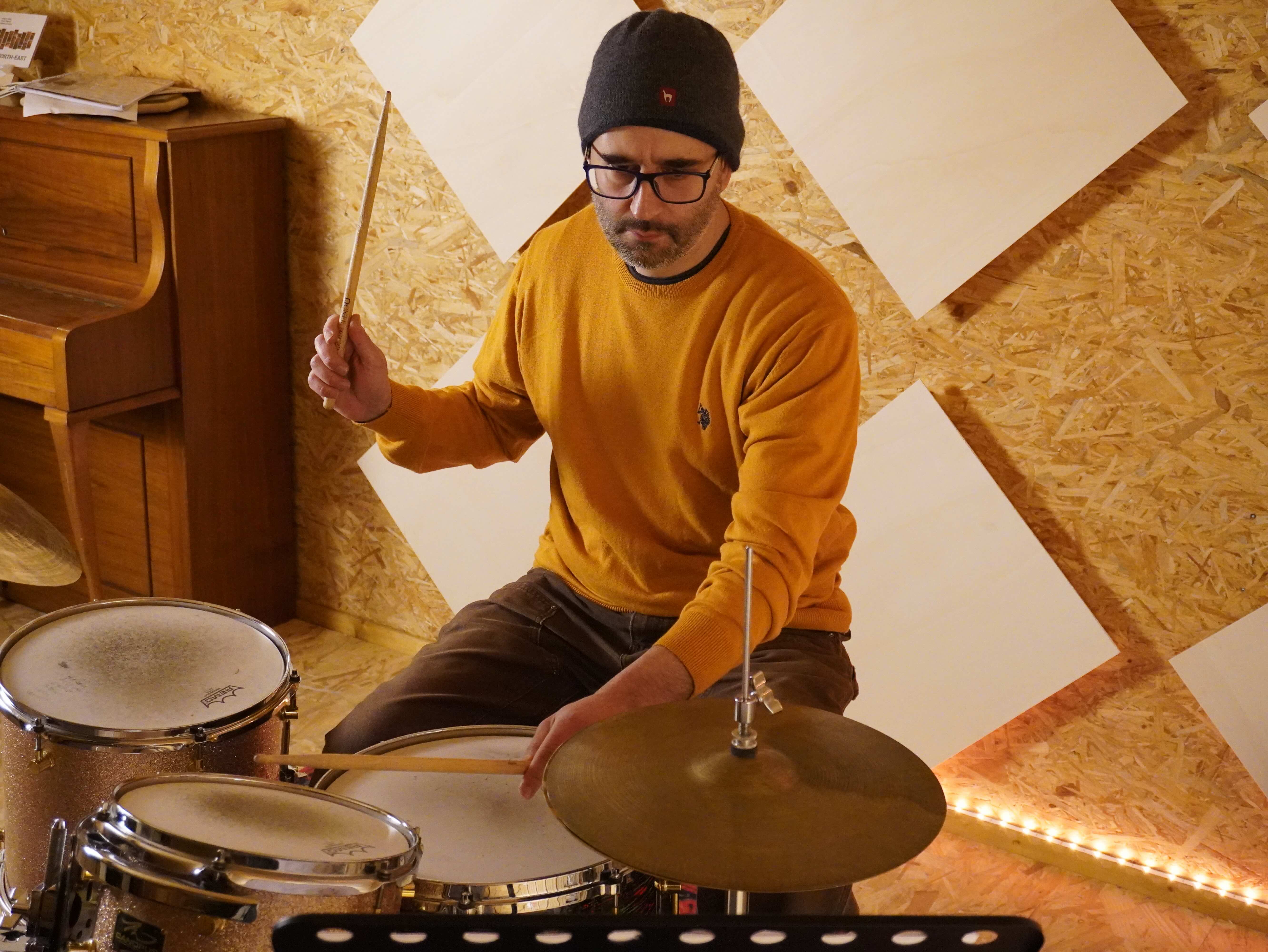
I totally get that. That's why I put a huge emphasis on making everything clear and uncluttered. I organized the exercises in logical groupings and added downbeat markers so your eyes and ears can stay centered. It's one of the most readable books I've ever worked with, and I built it that way on purpose.
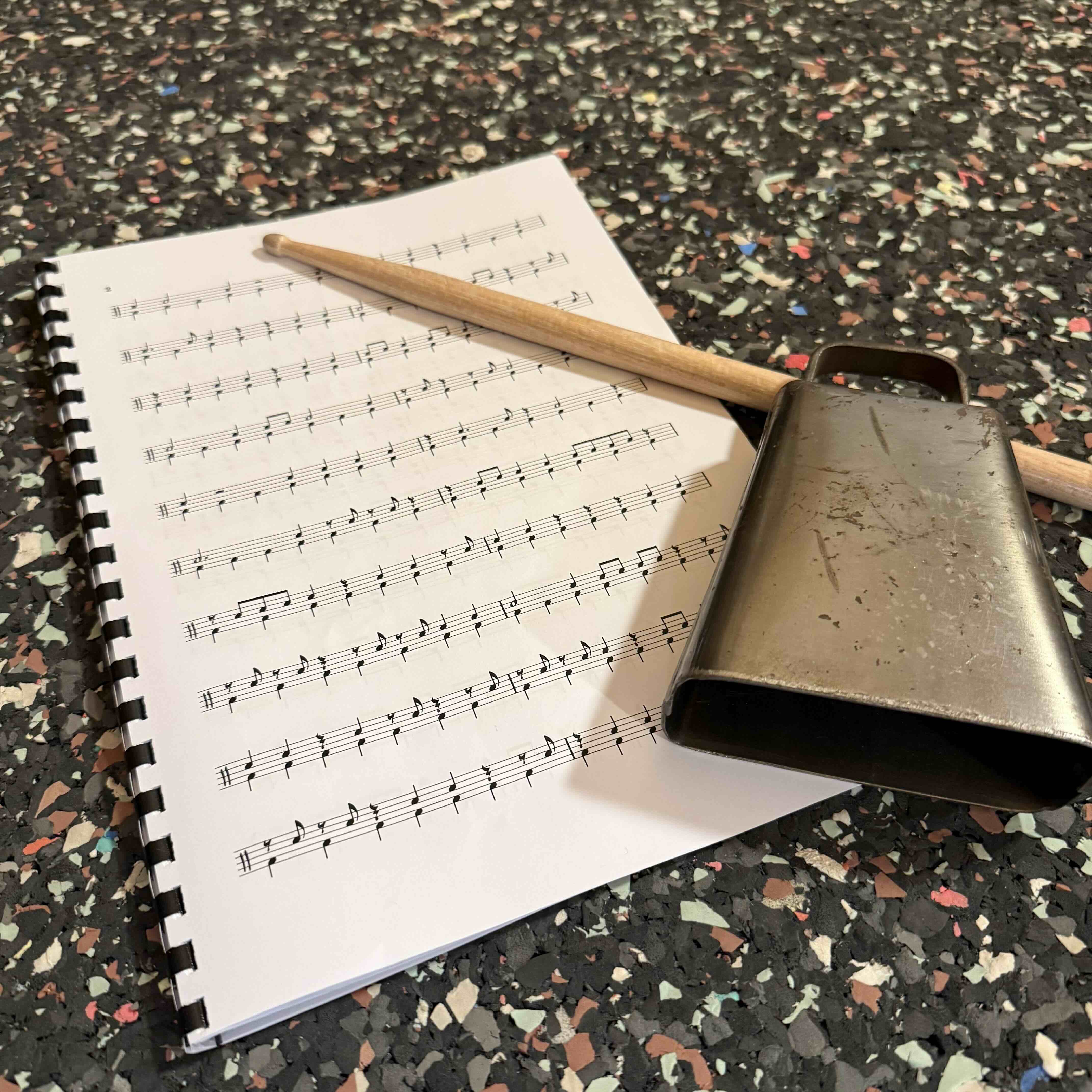
Every single exercise in the book was tested on my drums. I rewrote anything that didn't feel musical or natural. So yes, these are real musical phrases, not just math problems. I want you to be able to use them in grooves, solos, compositions, whatever you want.
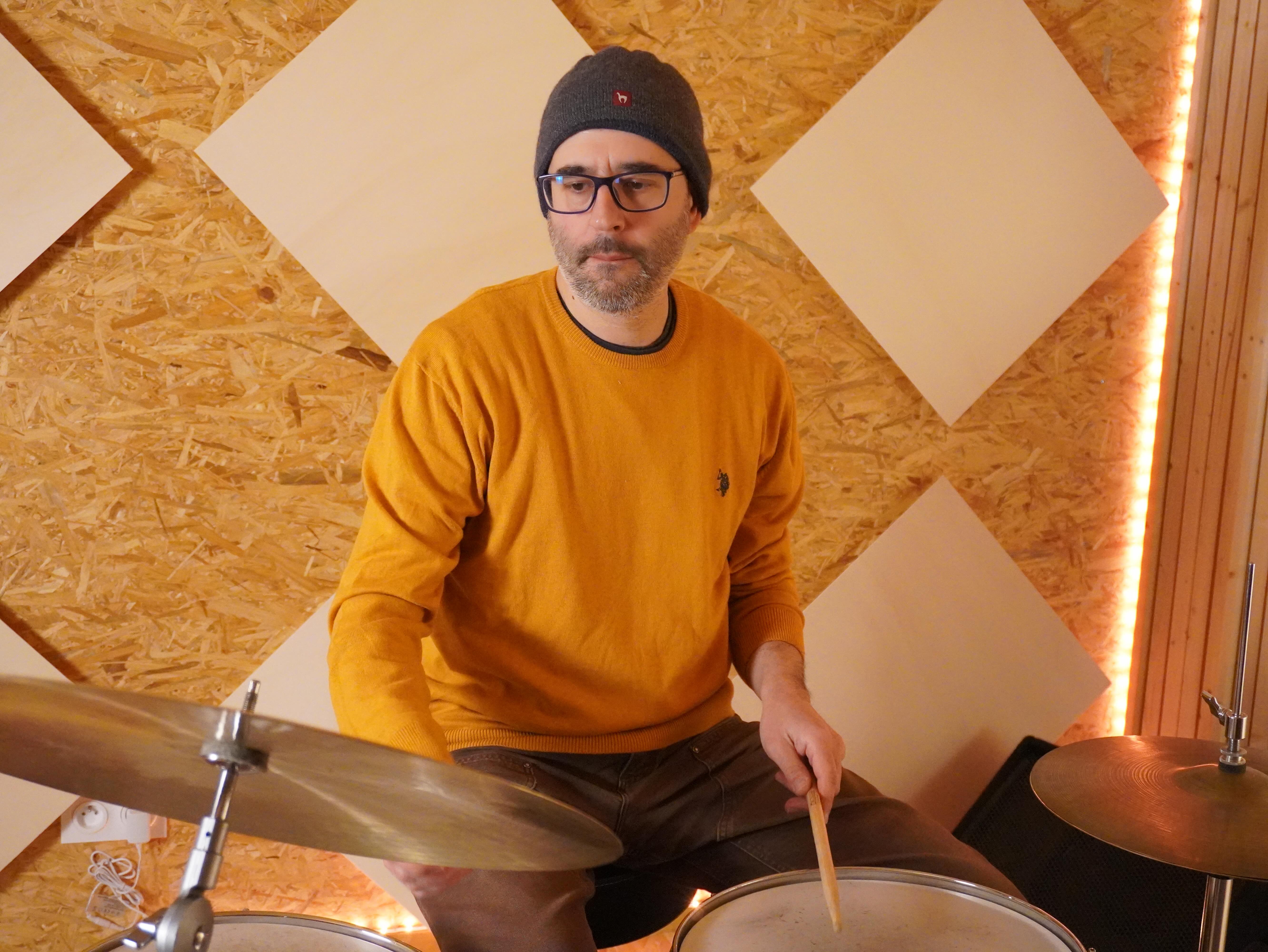
Definitely. This book is for any musician who wants to get more comfortable in odd meters. I've seen pianists, bass players, and even metal drummers use it in totally different ways. Whether you're comping, looping, or just reading rhythms, you can make it your own.
This book focuses exclusively on rhythms larger than an eighth note, ensuring simplicity while making the rhythms ideal for swinging.
The content was crafted through a thoughtful process of trial and error, resulting in musical melodies rather than just random notes on the staff.
The MP3 Expansion Pack is available separately, or grab the Book + MP3 Bundle and save.
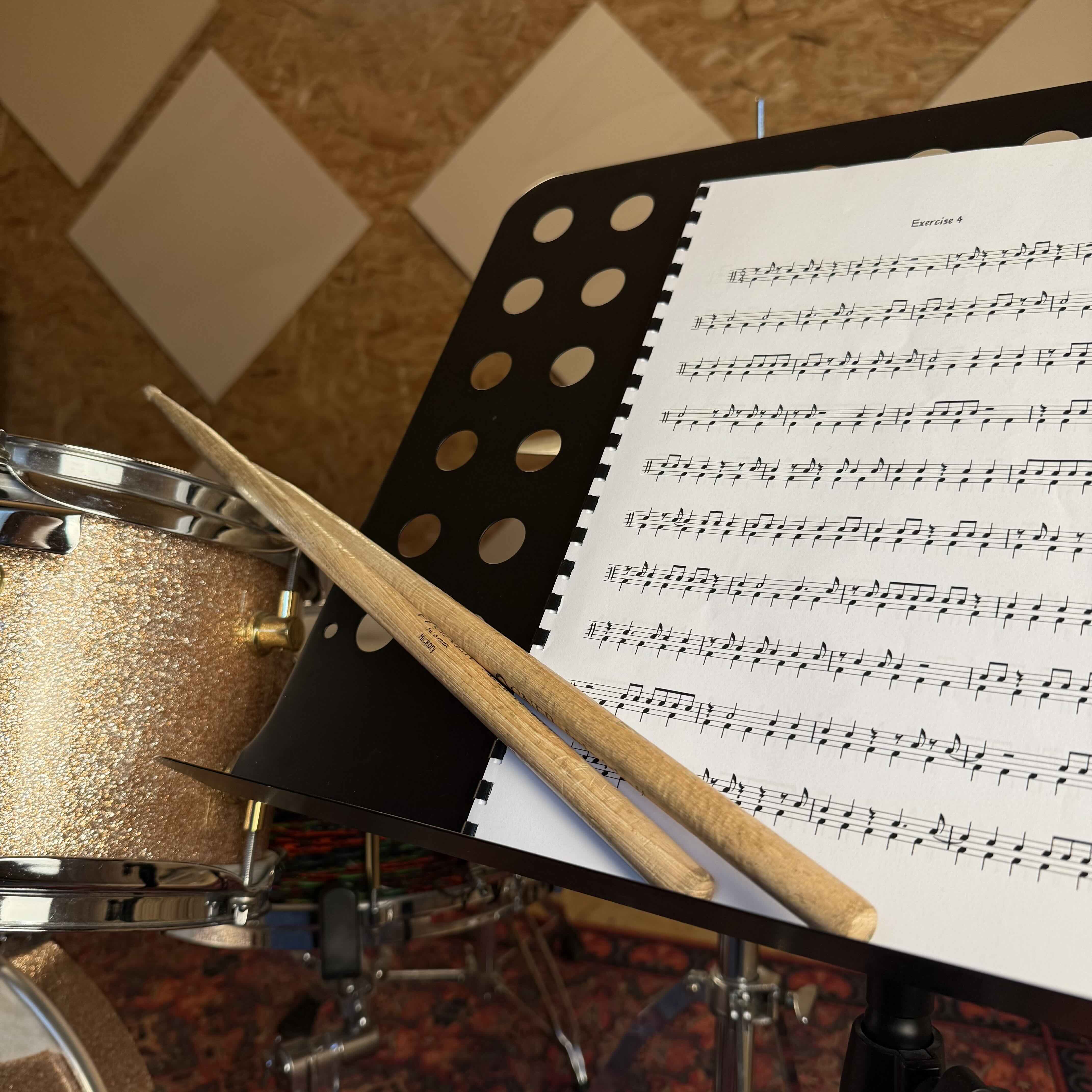
As you develop your rhythmic reading, you'll naturally and effectively internalize odd-meters.
Each exercise is laid out with clarity and logic, helping you train your eyes to recognize syncopation in real time. The consistent structure and downbeat references make it easier to develop confident, accurate rhythmic reading, even in unfamiliar meters.
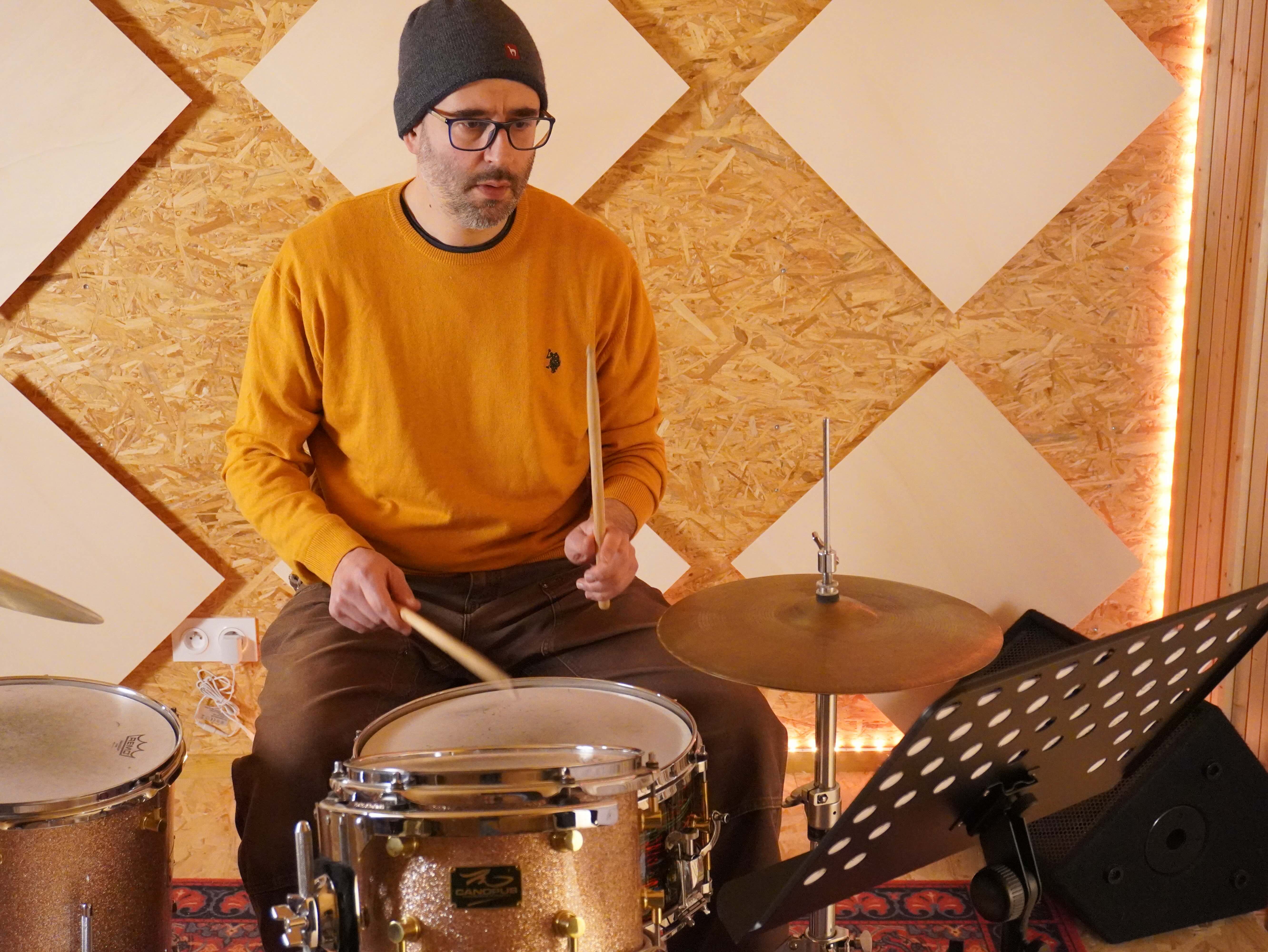
This isn't just about reading, it's about feeling the time. As you play through each section, your internal clock starts adapting to 3, 5, 7, and 9. Over time, these once "awkward" meters become second nature, opening up new grooves, phrasing, and musical freedom.
This book is ideal for practicing all of Alan Dawson's methods. Its eight-note framework provides an excellent foundation for implementing these techniques. Additionally, the four meters (3/5/7/9) will spark your creativity, allowing you to explore and develop new ideas across various drumming styles.
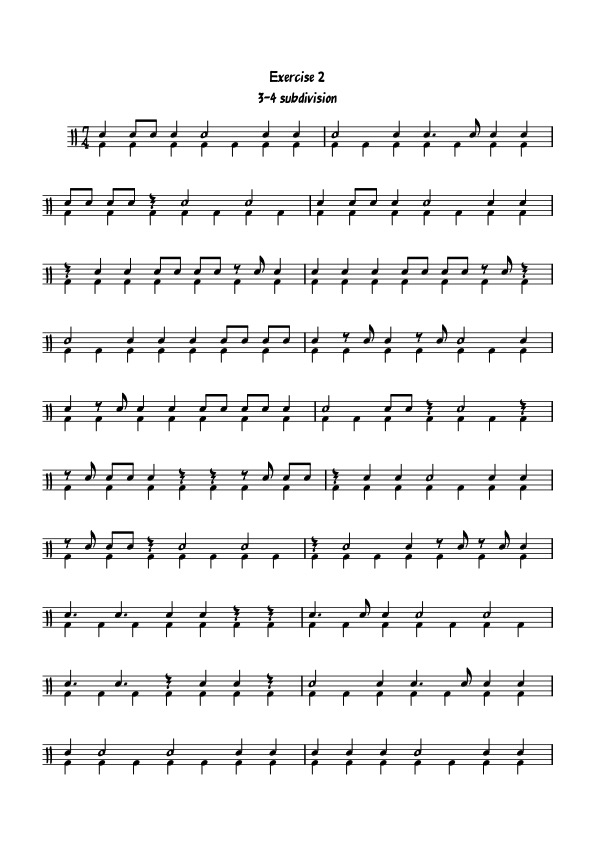
This book offers a comprehensive and structured approach to mastering odd time signatures, focusing on 3/4, 5/4, 7/4, and 9/4.
The Syncopation is not a "book for drummers": it is designed for all those instrumentalist who want to deepen their understanding of odd meters, leaving room for their creativity.
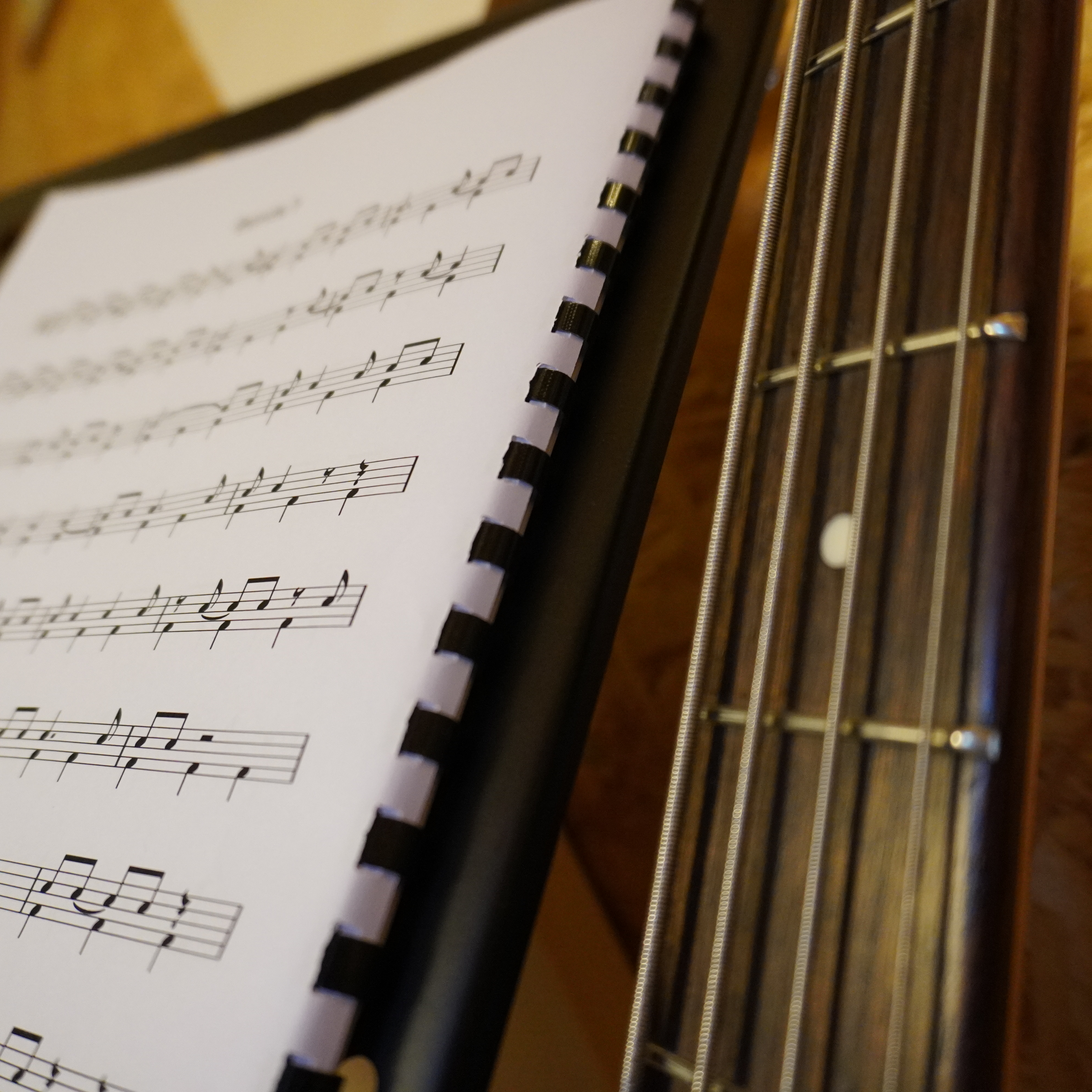
Over 1200 measures of rhythmic exploration! Play these exercises with your go-to tracks or loops and master your timing.
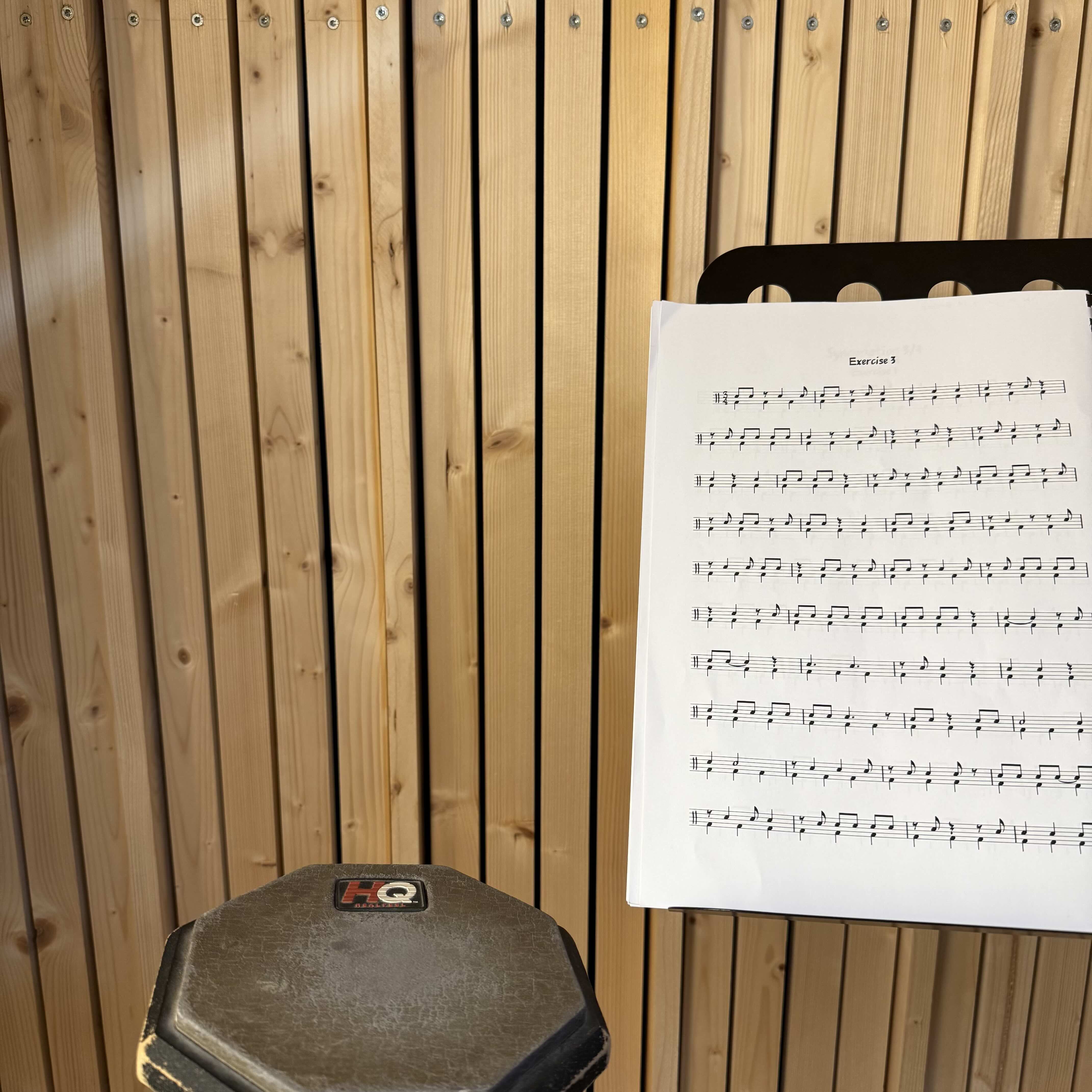
Your feet can keep time, your hands can read...or any other combination! We all possess a drummer's heart; now, let it play
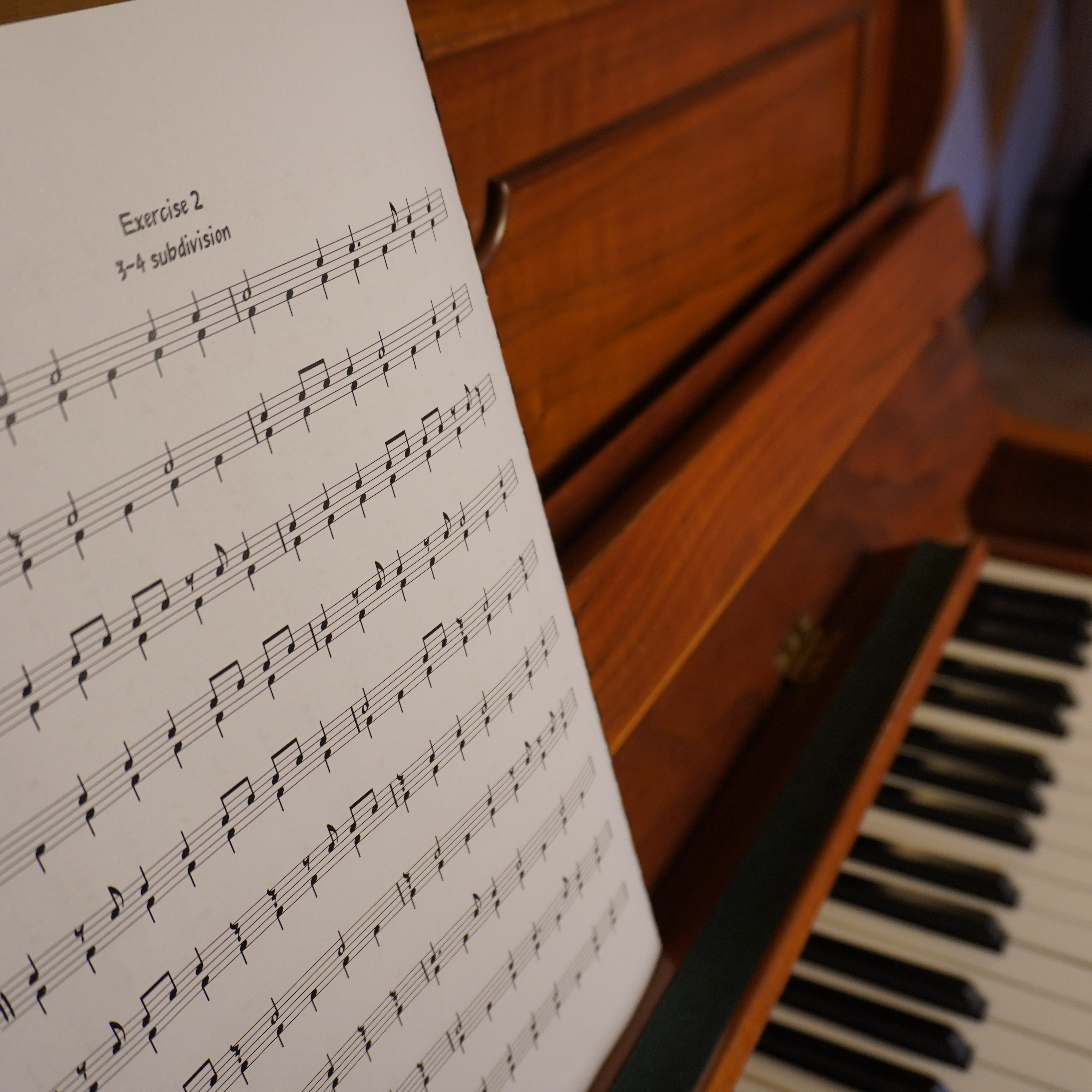
Although odd meters allow for flexible subdivision, this book offers suggested counting approaches to guide you
“I took the bait and bought this book. It is absolutely killer! The 3/4 exercises alone are worth the cost of the book. This will 100% become a foundational text. I wish I had this book 20 years ago!”
“I got it! Very useful for my students, but I will also use it myself because you never stop practicing and learning.”
“This is an excellent idea. I worked with syncopation with Alan Dawson many years ago. I always wanted to write or was hoping someone would write a book just like this.”
“Paolo has always been a gifted, swinging, sensitive drummer and all around musician. He also possesses a brilliant mind and he is a great teacher”
“For many years Paolo worked with Jazz Education Abroad in different parts of the world, with great, great success. To this day, Paolo maintains a very high standard of teaching, and performance excellence”
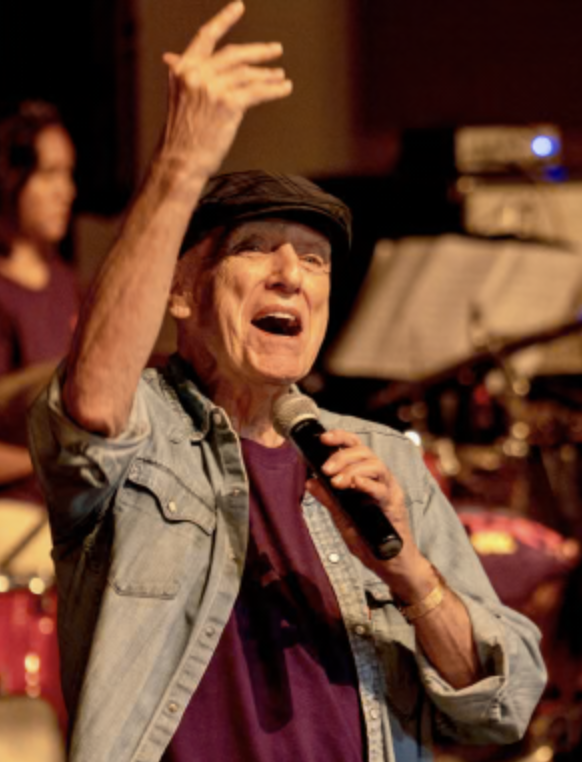

Paolo is an accomplished jazz performer who has shared the stage with luminaries such as John Patitucci, Dado Moroni, Robert Bonisolo, Sharon Clarke and many others. He co-leads the projects "North East" and "Voices," and has also contributed to higher education departments worldwide. He holds a M.A. in Jazz Performance at the City College of New York, and studied drums with greats such as Adam Cruz, Nasheet Waits, and Portinho.
Each time signature (3/4, 5/4, 7/4, 9/4) includes 8 carefully sequenced exercises, starting simple and gradually increasing in complexity. This lets you grow at your own pace, without getting overwhelmed.
The book is designed to be visually clear and easy on the eyes. Exercises are grouped in logical systems, with downbeats marked to help you stay grounded and focused, even in the trickiest meters.
These aren't just technical drills, they're musical phrases you can apply. Whether you're a drummer layering ostinatos, a pianist exploring phrasing, or a bassist syncing with loops, the book adapts to your creative workflow.